
“Why do you stay in prison when the door is so wide open?” — Rumi
TL;DR: For thousands of years, cheese makers poured whey into rivers because they filed it in their minds as waste. When filtration technology and a new lens for nutrition arrived, the same material became a multi-billion-dollar industry. The pattern repeats in business. IBM once held the operating system that would define the personal computer era but treated it as a commodity to be outsourced. Microsoft could see what IBM could not, then built its own filing system around software and became blind to the future when it arrived as hardware. Neither organisation lacked the material or the expertise. Each lacked the lens. This Thursday Thought provokes us to think what are we currently throwing into the river?

The Liquid Gold That Flowed Into Rivers
"A rock pile ceases to be a rock pile the moment a single man contemplates it, bearing within him the image of a cathedral." — Antoine de Saint-Exupéry
For thousands of years, cheese making produced a watery residue called whey. Some cheese makers spread it on fields, others fed it to pigs, but most dumped it into rivers and streams because whey was a problem to be disposed of. It was filed under byproduct.
Then the conditions shifted. Environmental regulations made dumping whey into waterways illegal. Cheese makers suddenly had a substance they could not get rid of. At the same time, food scientists developed filtration processes that could isolate the protein within whey. The material itself had not changed. What changed was the lens through which people saw it.
Today, the global whey protein market is valued at somewhere between $10 and $13 billion annually, with analyst forecasts projecting it will reach between $17 and $27 billion by the early 2030s. A substance that once cost money to dispose of became the foundation of one of the fastest-growing segments of the nutrition industry. The difference between the whey that was dumped and the whey that sells for premium prices today is not the material. It is the folder it was filed under.
The Operating System That Was Treated as a Commodity
“The real voyage of discovery consists not in seeking new landscapes, but in having new eyes.” — Marcel Proust
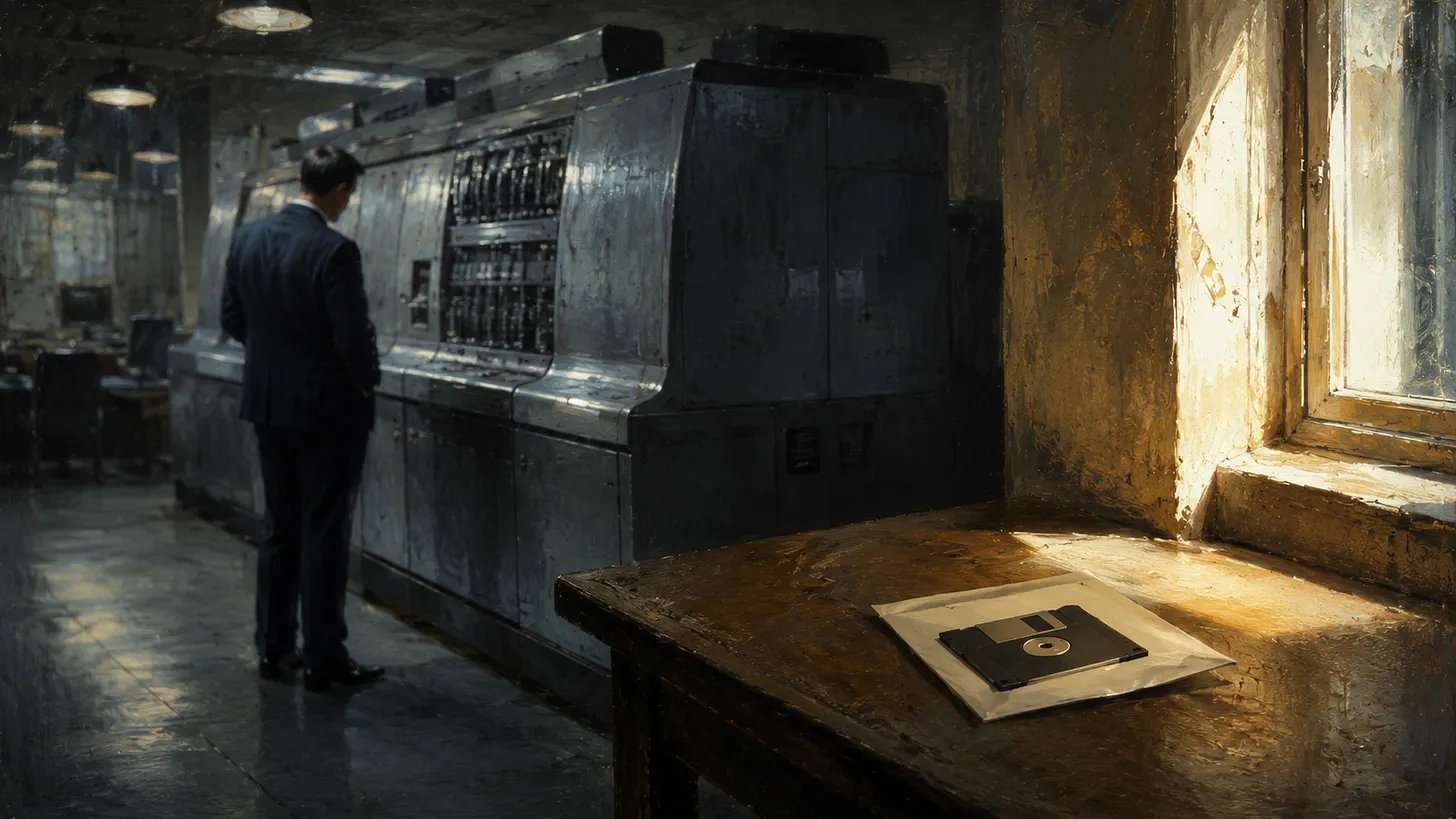
Consider IBM in the early 1980s. The company was the dominant force in computing. When it set out to build the IBM Personal Computer, it needed an operating system to run on it. Rather than develop one internally, IBM contracted with a small software company called Microsoft. The arrangement seemed sensible and allowed IBM to focus on the cash cow. Microsoft would supply the operating system. IBM would build the hardware and own the relationship with the customer.
IBM understood itself as a hardware company. Its identity, its expertise, and its organisational structure were oriented around the manufacture and sale of physical machines. The operating system was filed in IBM’s mental model as a component. A necessary piece of the puzzle, but not the puzzle itself. It was a commodity to be outsourced, not a strategic asset to be owned. IBM had also bought a stake in Intel around this time. The hardware company was happy to invest in chips. The software piece could be subcontracted.
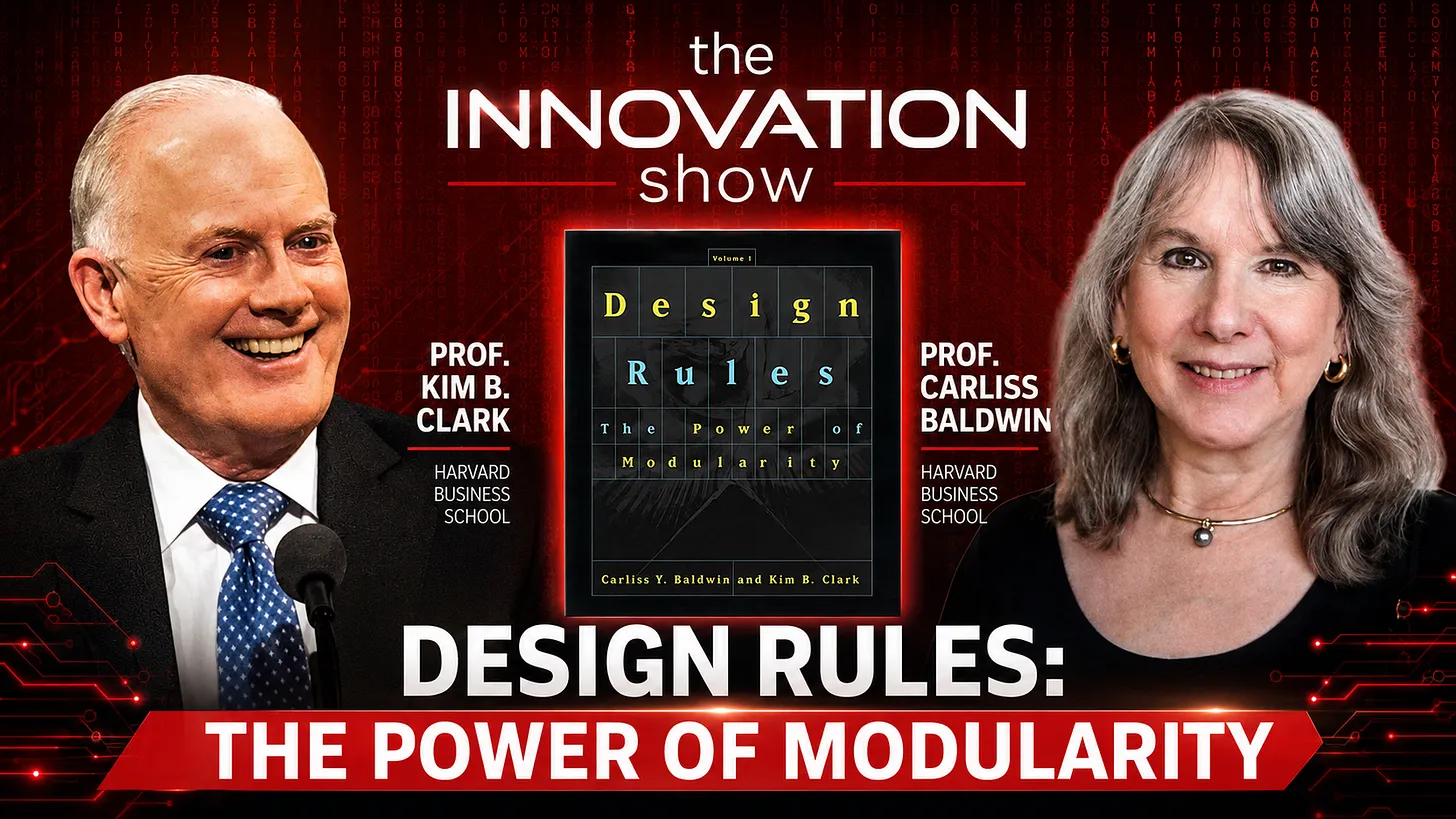
Kim Clark told this story recently on the Innovation Show, and it stands as one of the clearest examples of a company holding the pieces of the future in its hands without recognising what it held.
Microsoft saw something different. Gates and his team negotiated a clause that allowed them to license the operating system to other manufacturers. When IBM-compatible computers proliferated through the 1980s, Microsoft was positioned to license its system to every one of them. The same operating system that IBM had treated as a commodity became the foundation of one of the largest technology fortunes ever assembled. IBM had the material in its hands. It had filed that material under the wrong category, and the category determined what it could see.
It seemed like Microsoft was the master strategist, but Microsoft fell victim to a similar pattern.
The Software Company That Could Not See Hardware
“We shape our tools, and thereafter our tools shape us.” — Marshall McLuhan
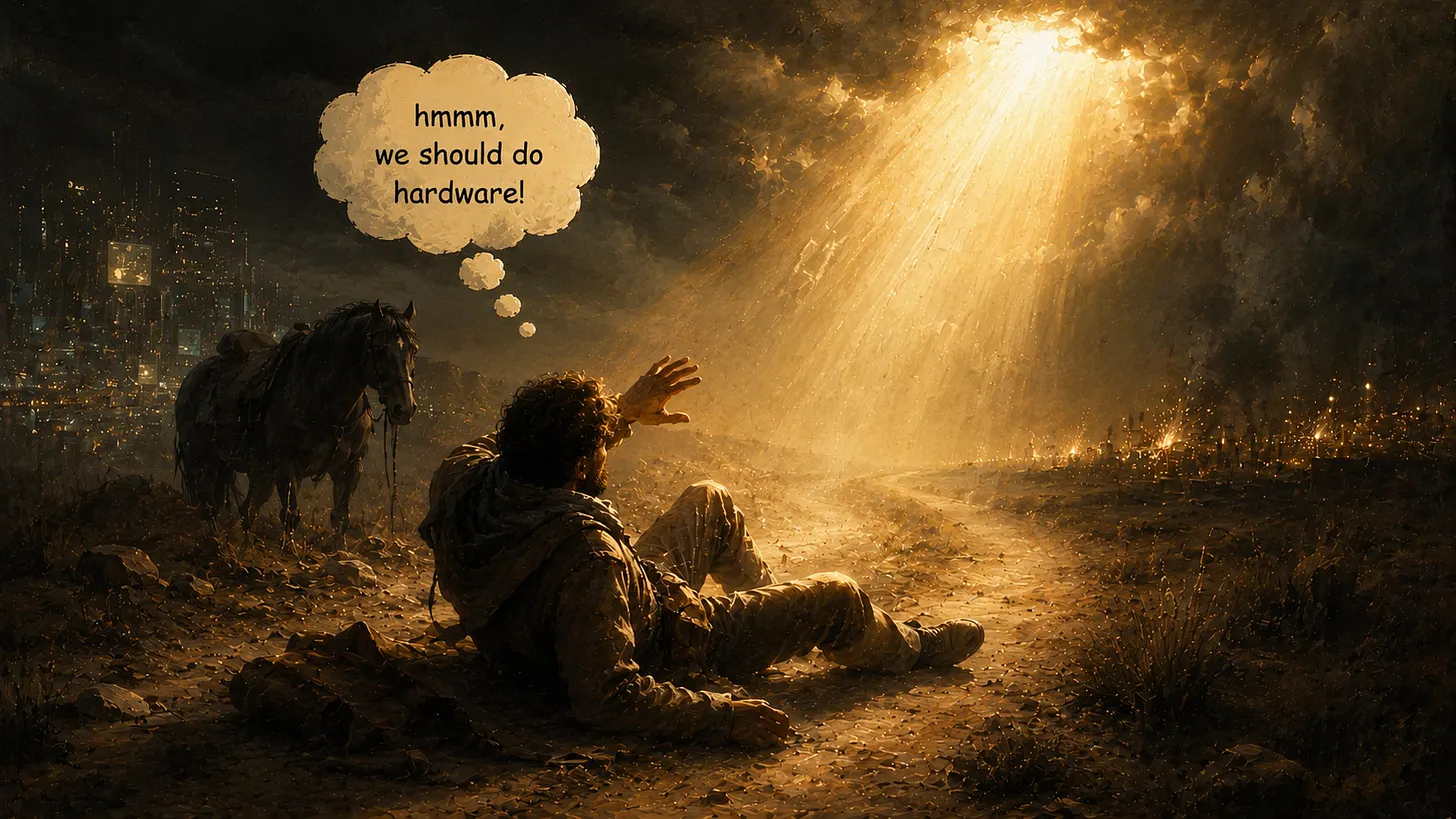
The company that saw what IBM could not see went on to become a prisoner of its own success. The very same lens that had freed Microsoft from IBM’s blind spot became the lens through which Microsoft saw everything else. Software was the future, the leverage, and the identity of the company all at once. The company name told the story. Paul Allen coined it in 1975 and first wrote it as Micro-Soft, hyphenated and capitalised on both sides. The hyphen was the visible seam, the two things were microcomputer and software. Not microcomputer and hardware. The name was a declaration of identity.
That declaration hardened into a culture. When Paul Allen first wanted to build hardware in the 1970s, Bill Gates told him plainly what the company was. Ballmer recounted the moment decades later in an interview with Charlie Rose. He was asked about his biggest regret, and his answer traced the shape of the problem exactly.
“I probably would have started us doing hardware earlier so that we could have been more effective in the phone business,” Ballmer said. He then explained why he had not. “When the name of your company is Microsoft, and your formula works, our formula was working, we were software guys. Bill Gates told Paul Allen when Paul first wanted to do hardware back in the seventies, we’re software guys. So for us, it was kind of a religious transformation.”
Religious is exactly the right word. It signals not a strategic disagreement but an identity threshold (akin to the bird standing at the edge of the cage). To move into hardware was not simply to enter a new market and would redefine what the company understood itself to be. The formula had worked for so long, and worked so profitably, that questioning it required something more than analysis. It required a kind of conversion.
The cost of the delay is on the record. Ballmer explained how Microsoft had been the most profitable company in its business for years. Then two companies passed it. Both did so by combining hardware and software into a single integrated product. “The two most profitable companies now in our business are Apple, Samsung, Microsoft. For years it was Microsoft and some other guys.”
The Surface, and later the acquisition of Nokia, were belated attempts to cross the threshold. By then the categories had already been redrawn by others.
Louis Gerstner, who led IBM’s own turnaround a decade earlier, described the same threshold from inside the experience. The hardest part, he wrote in Who Says Elephants Can’t Dance?, was not the technology or the economics. It was “changing the culture, the mindset and instincts of hundreds of thousands of people” inside a company whose formula had worked for so long that normal competitive pressure had stopped reaching it.
Microsoft’s story is an example of the whole pattern, history rhymes in these patterns. The company that once saw what IBM could not see built a filing system so successful, so profitable, and so defining that it could not see the next reframing when it arrived. The lens that opens one era of vision becomes the lens that closes the next. The prison is not the past that failed, but rather that the past that worked so well.
The prison is the past that worked!
The Pattern Beneath the Cases
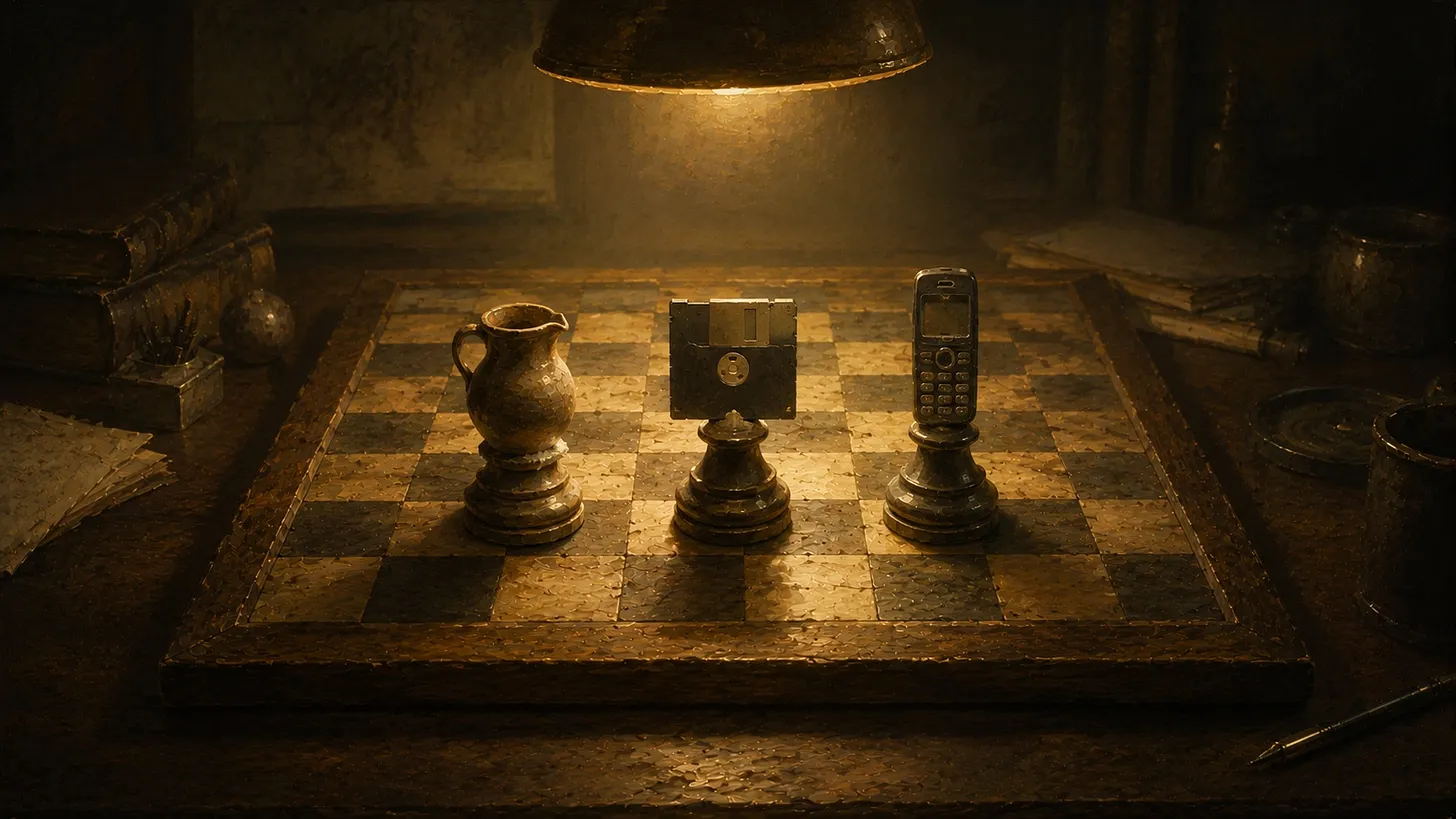
The pattern across whey, IBM, and Microsoft is the same pattern. A successful method of seeing the world creates a mental filing system. Categories sharpen, expertise deepens, and the system becomes the lens through which everything new is examined. When something arrives that does not fit the existing folders, the organisation does not see opportunity. It sees noise or distraction, a commodity to be outsourced. It sees a low-end extension of the existing line. It sees a threat to identity. It sees waste.
Kim Clark reminded me on this week’s Innovation Show of a line his Harvard colleague Bob Hayes used to teach, “The game is never incontestably won.” IBM had it. Microsoft had it. Each time the pieces re-formed, and the game began again in a shape the previous winner could not see.
The dairy industry held whey for eight thousand years before the lens shifted. IBM held the operating system. Microsoft held the capacity to combine hardware and software before Apple did. None of these organisations was lacking in resources or capability. What they lacked was the capacity to perceive what they held through any lens other than the one their past success had already constructed.
The mental filing system that delivered yesterday’s success is the same mental filing system that determines what you can recognise as tomorrow’s opportunity. The categories you trust most are the categories that decide what gets seen and what gets discarded. This is the real cost of expertise. You become exceptionally good at processing what fits your folders, and exceptionally poor at noticing what does not. And the more successful the folder, the more religious the transformation required to move beyond it.
The Final Question

“In all affairs it’s a healthy thing now and then to hang a question mark on the things you have long taken for granted.” — Bertrand Russell
The question for any established organisation is not whether it possesses the raw materials of its own future. It almost certainly does. The question is which materials are currently being filed under the wrong heading. Which capabilities are being treated as commodities. Which experiments are being classified as failures. Which anomalies are being dismissed as noise. Which liquids are flowing into rivers. Which forms of the future are being refused because they demand a religious transformation.
The answer is rarely visible from inside the system that created the successful filing. It usually comes through someone who lacks your history, your expertise, and your categories. Someone who can see whey and ask what is in it. Someone who can see an operating system and ask who controls access to the machine. Someone who can see a hardware business and ask whether the name of your company should determine the shape of your future.
Until that someone arrives, or until the conditions change enough to force a reframing, the material in your possession remains invisible and the prison remains the lens.
This week on the Innovation Show, I sit down with Carliss Baldwin and Kim Clark, co-authors of Design Rules, the book that formalises how industries break apart and where value migrates when they do. Carliss and Kim helped me see that the IBM story is not an anomaly. It is the mechanic underneath the innovator’s dilemma. If this piece resonated with you, that conversation will take the argument several layers deeper. It drops tomorrow Thursday July 2nd 2026.